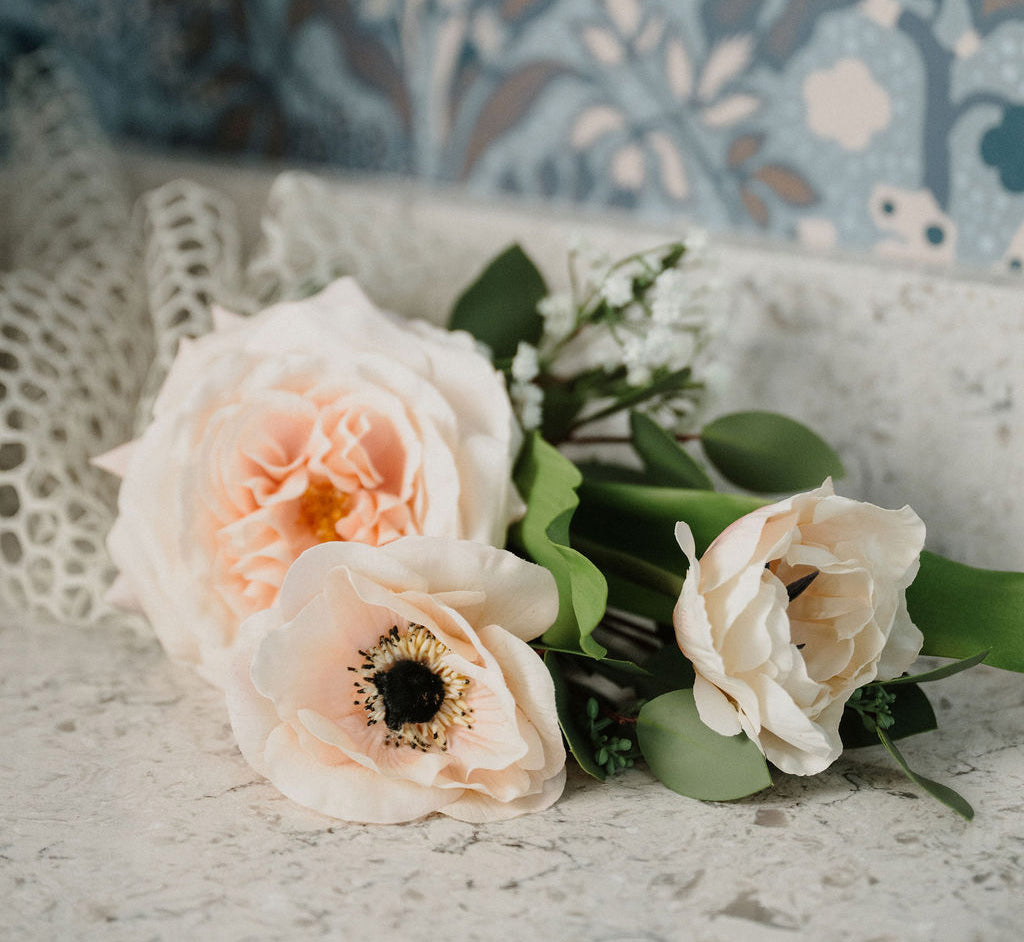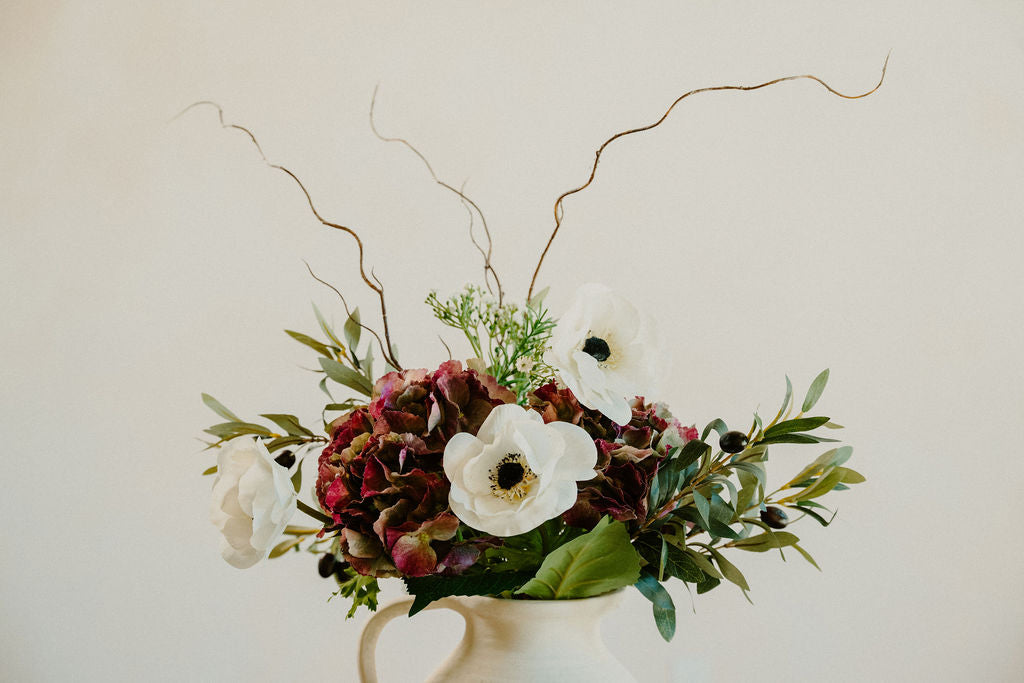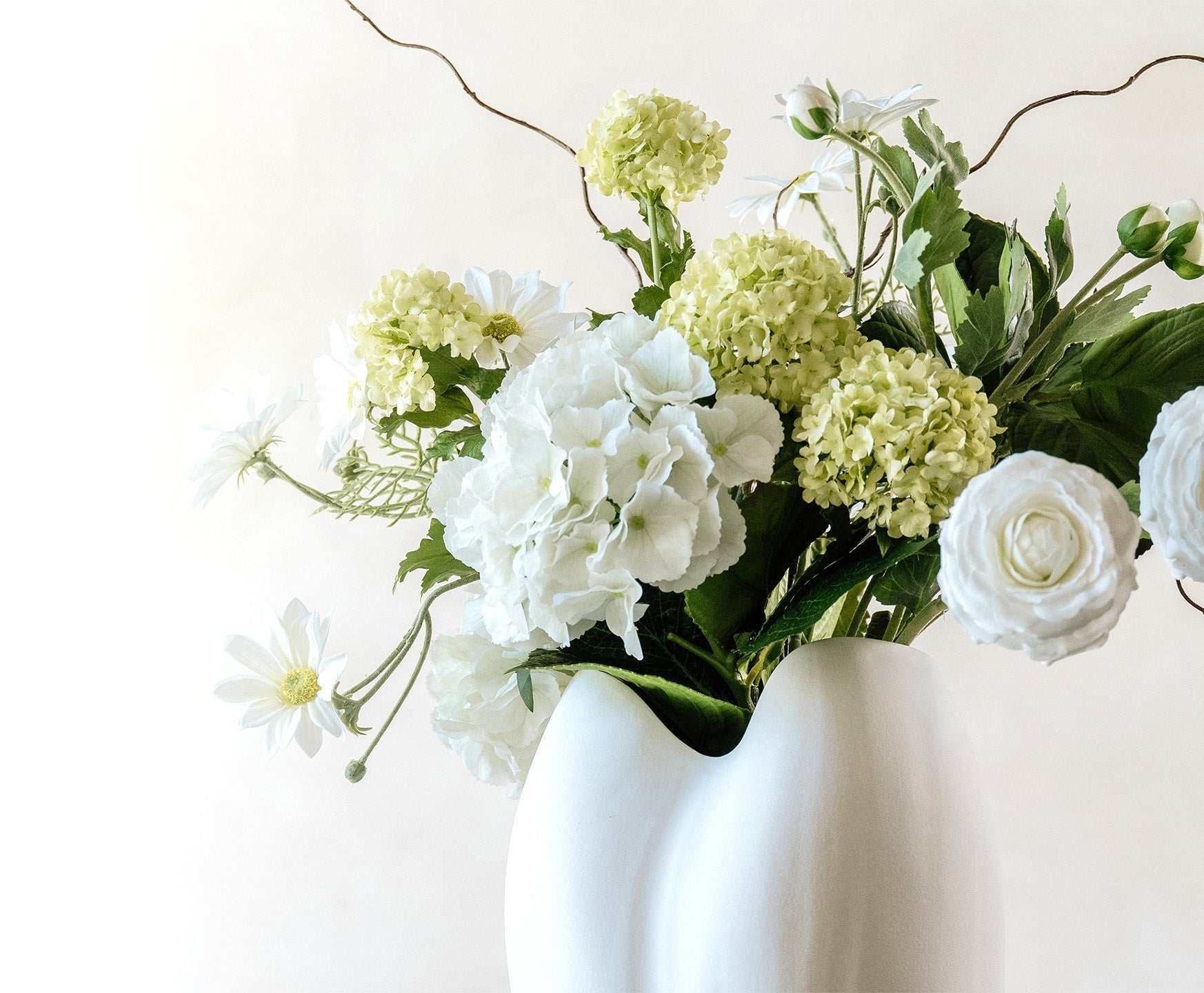

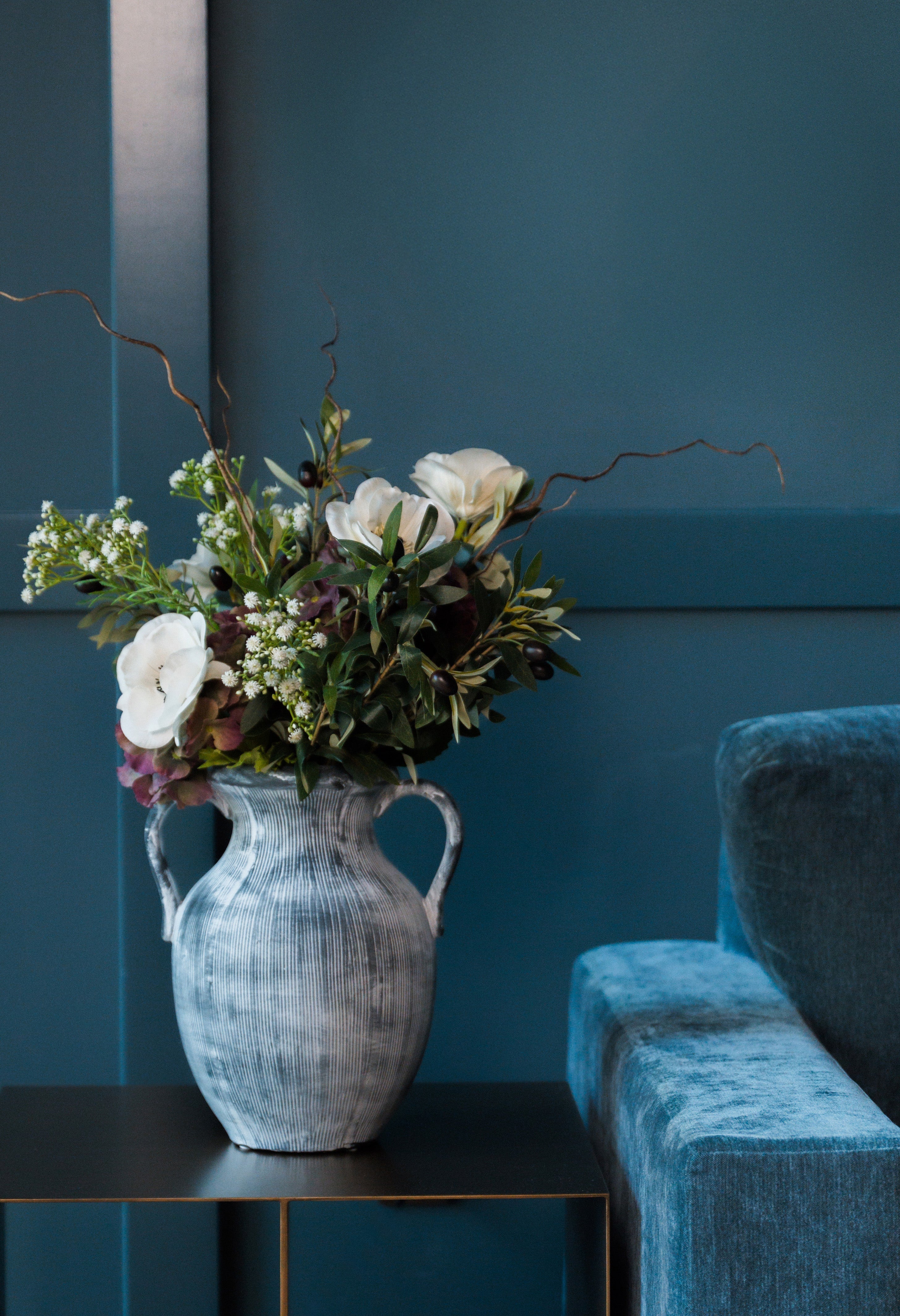

Faux flowers are a long-lasting, maintenance-free solution for beautiful home décor. With realistic textures, lifelike petals, and durable materials, they allow homeowners to create perfect arrangements anytime without worrying about wilting or seasonal availability. Modern artificial flowers are crafted from silk, polyethylene, and foam, giving them a natural look and feel that can transform any room instantly. From elegant dining table centerpieces to statement entryway bouquets, faux flowers provide a versatile, low-maintenance alternative to fresh blooms while saving money over time.
Why Faux Flowers Are a Smart Investment
1. Long-Lasting Beauty
Unlike fresh flowers, which typically last 3–7 days, high-quality faux flowers can endure 5–10 years indoors with proper care. This makes them ideal for living rooms, entryways, and dining areas where consistent visual impact matters. You can enjoy vibrant colors and perfectly shaped blooms without worrying about them fading or wilting.
2. Zero Maintenance
-
Faux flowers do not require watering, sunlight, or trimming, making them perfect for:
-
Busy homeowners who want elegant décor without the hassle
-
Low-light areas where real plants struggle to survive
-
Allergy-sensitive spaces where pollen triggers discomfort
3. Cost-Effective Over Time
While premium faux flowers have a higher initial price, they save money in the long run:
-
Fresh flowers: $50/week × 52 weeks = $2,600/year
-
High-quality faux arrangement: $200–$500 upfront, lasts 5–10 years
This investment offers a high-end look without ongoing costs, providing consistent luxury at a fraction of the long-term price.
4. Seasonal & Year-Round Flexibility
Faux flowers allow you to change your décor for holidays or seasons without worrying about availability. You can style:
-
Spring tulips in February
-
Autumn arrangements in July
-
Holiday décor in November
This flexibility lets you keep your home fresh and stylish all year long.

How to Choose Realistic Faux Flowers
1. Material Quality
-
Silk petals for soft texture and natural veining
-
Polyethylene leaves for lifelike movement and reflection
-
Foam or latex accents for added depth and realism
2. Stem & Arrangement Design
-
Look for hand-painted stems with natural color gradients
-
Slightly bent or curved stems mimic real growth patterns
3. Color & Texture
-
Avoid overly glossy or uniform colors
-
Choose soft gradients and subtle imperfections for authentic-looking blooms
Where to Use Faux Flowers in Home Décor
- Living Room: Mantels, coffee tables, and side tables
- Dining Room: Low vases for table centerpieces, buffet displays
- Entryway: Tall floor plants or statement bouquets
- Bathrooms: Peonies or orchids for a spa-like feel
- Home Office: Small vases to brighten your workspace

|
Feature |
Faux Flowers |
Real Flowers |
|
Longevity |
5–10 years |
3–7 days |
|
Maintenance |
None |
Watering, trimming, frequent replacement |
|
Allergies |
Allergy-friendly |
Can trigger allergies |
|
Cost |
Higher upfront cost, long-term savings |
Ongoing weekly expense |
|
Seasonal Flexibility |
Available year-round |
Limited to seasonal availability |

Mix Heights & Textures: Combine tall stems with low blooms for visual depth.
Use Decorative Vases: A luxe vase instantly elevates any arrangement.
Add Greenery: Faux greenery complements flowers and adds realism.
Rotate Arrangements: Swap flowers seasonally or by room for freshness.
Layer Tabletop & Floor Pieces: Mix small and large arrangements for a curated look.
Pro Tip: Place a small mirror under a vase to reflect light and make arrangements appear fuller.
Top Faux Flowers That Look Real
-
Roses: Timeless elegance for any space
-
Peonies: Full blooms ideal for living rooms and weddings
-
Orchids: Perfect for modern, minimalistic interiors
-
Hydrangeas: Voluminous arrangements for statement pieces
-
Tulips: Seasonal charm that works year-round with faux varieties